Safe Ammonia Levels in an Aquarium
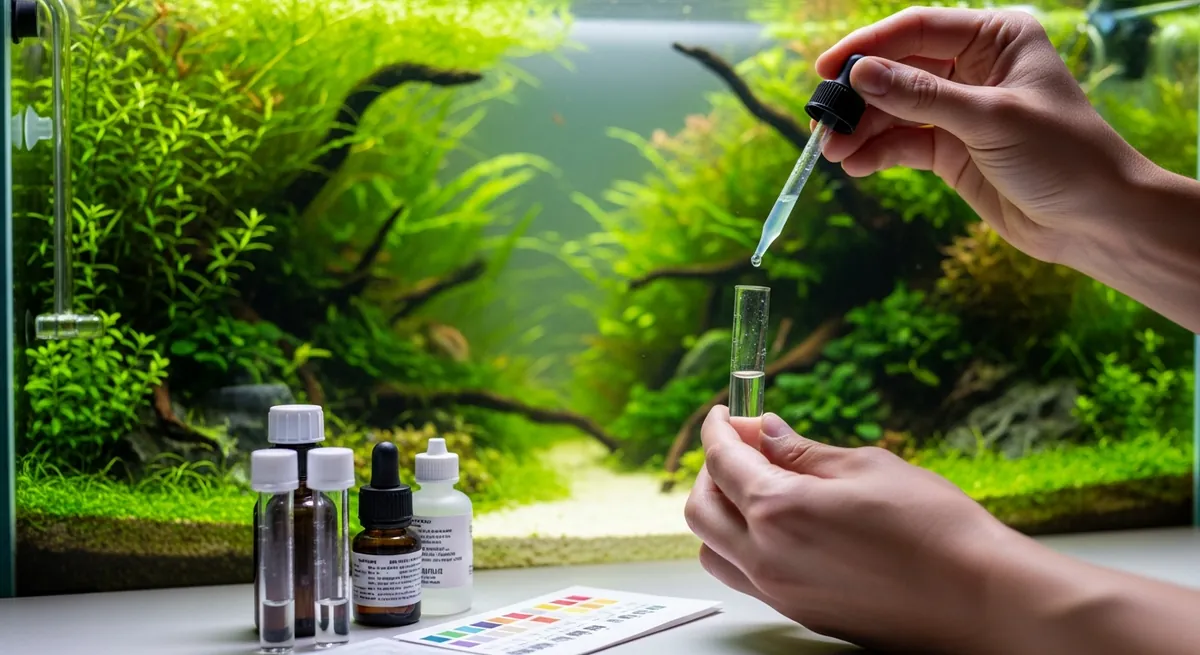
Short answer: Zero. The median ammonia across 902 real freshwater tanks is 0 ppm, and only 31% show any detectable reading. Any detectable ammonia means the nitrogen cycle is incomplete.
Zero. The safe ammonia level in any freshwater aquarium is 0 ppm. Across 902 real tanks in the AquaGauge dataset (July 2026 snapshot, drawn from 12 fishkeeping subreddits), the median ammonia reading is 0 ppm, the mean is 2.2 ppm (pulled up by cycling tanks and emergencies), and only 31% of tanks show any detectable ammonia at all.
What real keepers actually measure
| Statistic | Value |
|---|---|
| Median | 0 ppm |
| Mean | 2.2 ppm |
| 25th percentile | 0 ppm |
| 75th percentile | 0.25 ppm |
| Highest recorded | 100 ppm |
| Tanks with detectable ammonia | 31% |
Summary stats (AquaGauge dataset, n = 902): median 0 ppm, mean 2.2 ppm, IQR 0-0.25, max 100 ppm.
Only 31% of tanks show any detectable ammonia, and the 75th percentile is just 0.25 ppm. The detectable minority are cycling tanks, overstocked setups, or keepers posting because something went wrong. That skew is why the mean (2.2 ppm) is so much higher than the median (0).
By community
| Subreddit | N | Median | Mean |
|---|---|---|---|
| r/bettafish | 125 | 0 ppm | 1.1 ppm |
| r/Corydoras | 103 | 0 ppm | 1.9 ppm |
| r/aquariums | 99 | 0 ppm | 3.0 ppm |
| r/AquariumHelp | 87 | 0 ppm | 2.7 ppm |
| r/shrimptank | 85 | 0 ppm | 1.2 ppm |
| r/Goldfish | 73 | 0 ppm | 1.7 ppm |
| r/fishtank | 72 | 0 ppm | 2.7 ppm |
| r/PlantedTank | 71 | 0 ppm | 1.9 ppm |
| r/guppies | 55 | 0 ppm | 2.5 ppm |
| r/Cichlid | 44 | 0 ppm | 2.2 ppm |
| r/discus | 41 | 0 ppm | 3.2 ppm |
| r/Aquascape | 38 | 0 ppm | 5.3 ppm |
Betta and shrimp keepers test most aggressively and post the cleanest water, with the lowest mean readings in the dataset. General and help-focused communities run higher means because those subs include more cycling questions and troubleshooting posts.
Why ammonia must be zero
Ammonia (NH3) is the first waste product fish excrete through their gills. It is acutely toxic. At 0.25 ppm, gill tissue starts to swell. At 1 ppm, you can see the damage: clamped fins, rapid breathing, red streaks along the body. At 4+ ppm, death follows within hours for most species.
Toxicity depends on pH and temperature. Higher pH shifts more ammonium (NH4+, relatively harmless) into ammonia (NH3, toxic). A tank at pH 7.8 with 0.5 ppm total ammonia is more dangerous than the same reading at pH 6.5. Warmer water also increases the toxic fraction. The URI Cooperative Extension notes that under high temperature and pressure conditions, the equilibrium between ammonium and ammonia shifts toward the toxic NH3 form.
A working nitrogen cycle is the fix. Beneficial bacteria (Nitrosomonas, then Nitrobacter/Nitrospira) convert ammonia to nitrite to nitrate. In a fully cycled tank, ammonia stays at 0. Any detectable reading means the cycle is incomplete, stalled, or overwhelmed.
What to do if ammonia is above zero
- Water change first. 50% immediately if ammonia is above 0.25 ppm. This halves the concentration.
- Dose a detoxifier. Seachem Prime or similar binds ammonia into ammonium for 24-48 hours. It buys time but does not fix the root cause.
- Find the cause. Common culprits: uncycled tank, dead fish or uneaten food decaying, filter media rinsed in chlorinated water, power outage that killed bacteria, overstocking.
- Fix the cause. Seed the filter with mature media, reduce feeding, remove dead stock, increase surface agitation for oxygen. Test daily until ammonia holds at 0 for a week.
- Resume normal testing. A regular water change schedule prevents buildup once the cycle is stable.
Ammonia vs the rest of the nitrogen cycle
Ammonia is the most urgent parameter. A tank with 0 ammonia and 20 ppm nitrate is fine. A tank with 0.5 ppm ammonia and 0 nitrate is in crisis. If you can only test one thing, test ammonia. If it reads 0, test nitrite next, then nitrate.
For species-specific ammonia data, see betta ammonia and nitrate levels (125 betta tanks, median 0 ppm) or cherry shrimp water parameters (shrimp are even less tolerant of any detectable ammonia).
How we counted
We analyzed 6,414 tank posts from 12 fishkeeping subreddits — including r/aquariums, r/bettafish, r/PlantedTank, and r/shrimptank — where keepers shared water test results. Of those, 902 included an ammonia reading. All numbers on this page come from those readings, verified by verify_stats.py. See examples: source 1, source 2. Full methodology at /methodology/. Figures are from the July 2026 snapshot (6,414 tanks total).
Check your exact stocking
Add your fish below to see stocking %, filtration load and compatibility for your setup — live.
Stocking — under 85% comfortable · 85–100% full · over 100% overstocked
Show the math
Gear for this setup
As an Amazon Associate AquaGauge earns from qualifying purchases. Some links below are affiliate links, at no extra cost to you. Current price and availability are shown on Amazon. Disclosure.
 Seachem Prime (500 ml)Detoxifies ammonia and chlorine on contact, buying 24-48 hours while the biofilter catches up.Check price on Amazon →
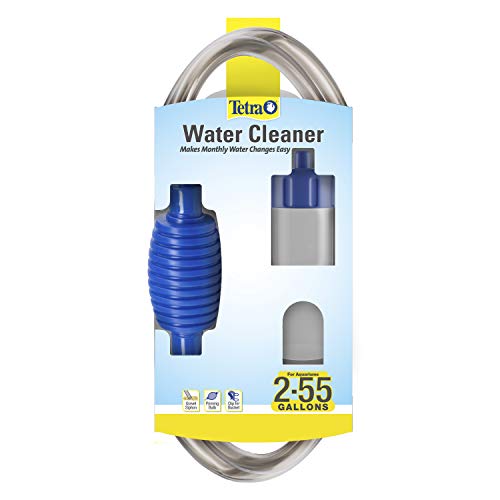 Tetra Gravel SiphonDrains and vacuums gravel in one step so water changes remove decaying waste that feeds ammonia.Check price on Amazon →
 Fritz FritzZyme 7 Live Nitrifying Bacteria (32 oz)Live Nitrosomonas and Nitrospira that seed a new filter and consume ammonia from day one.Check price on Amazon →
FAQ
- What ammonia level is safe for fish?
- Zero ppm. Across 902 freshwater tanks, the median is 0 ppm and only 31% show any detectable ammonia. Any detectable ammonia is a problem, not a safe baseline.
- Is 0.25 ppm ammonia dangerous?
- It is not immediately lethal, but it is not safe either. At 0.25 ppm ammonia damages gill tissue and stresses fish. In our dataset, the 75th percentile across 902 tanks is 0.25 ppm, meaning at least three-quarters of keepers stay at or under that threshold.
- How do I get ammonia to zero?
- Cycle the tank before adding fish. A mature biofilter converts ammonia to nitrite, then nitrate. If ammonia spikes in a stocked tank, do a 50% water change immediately, reduce feeding, and check filter media. Detoxifiers like Seachem Prime buy 24-48 hours but do not replace a working cycle.
- How often should I test for ammonia?
- Weekly in a cycled tank, daily during cycling or after adding new stock. Use a liquid reagent kit (API Master Test Kit) rather than strips for accurate low-range readings.
Sources
- Nitrogen and Water Quality, URI Cooperative Extension (2005). View source ↗

Freshwater aquarist of 8+ years.